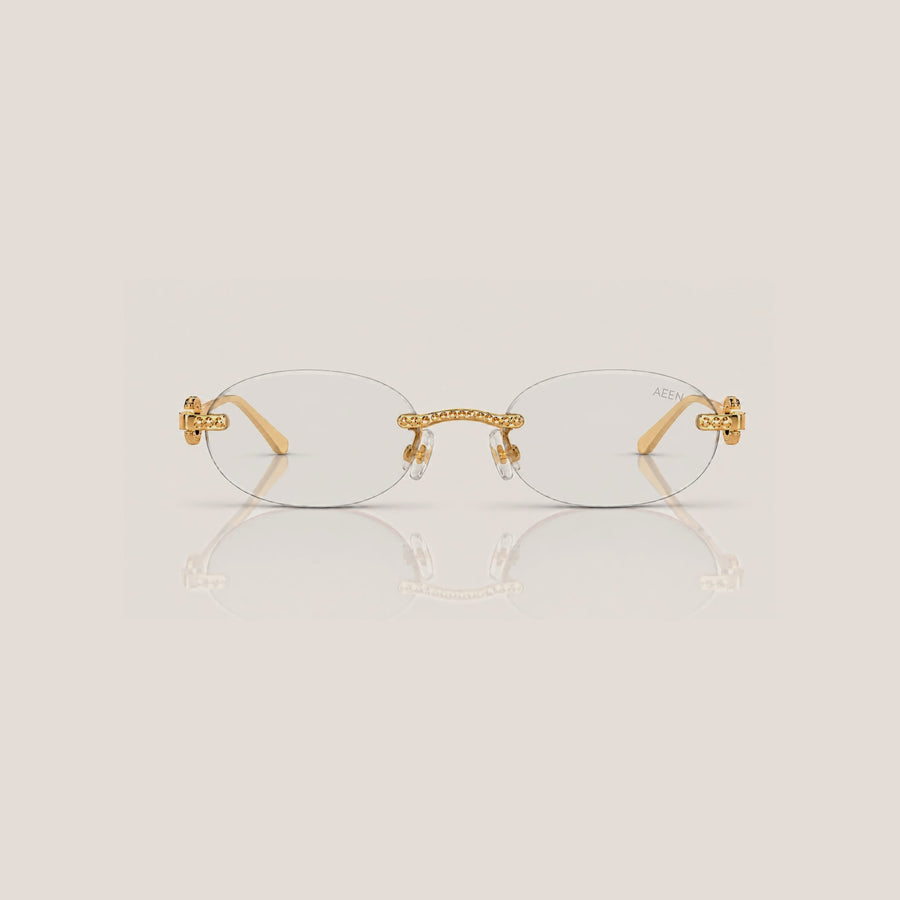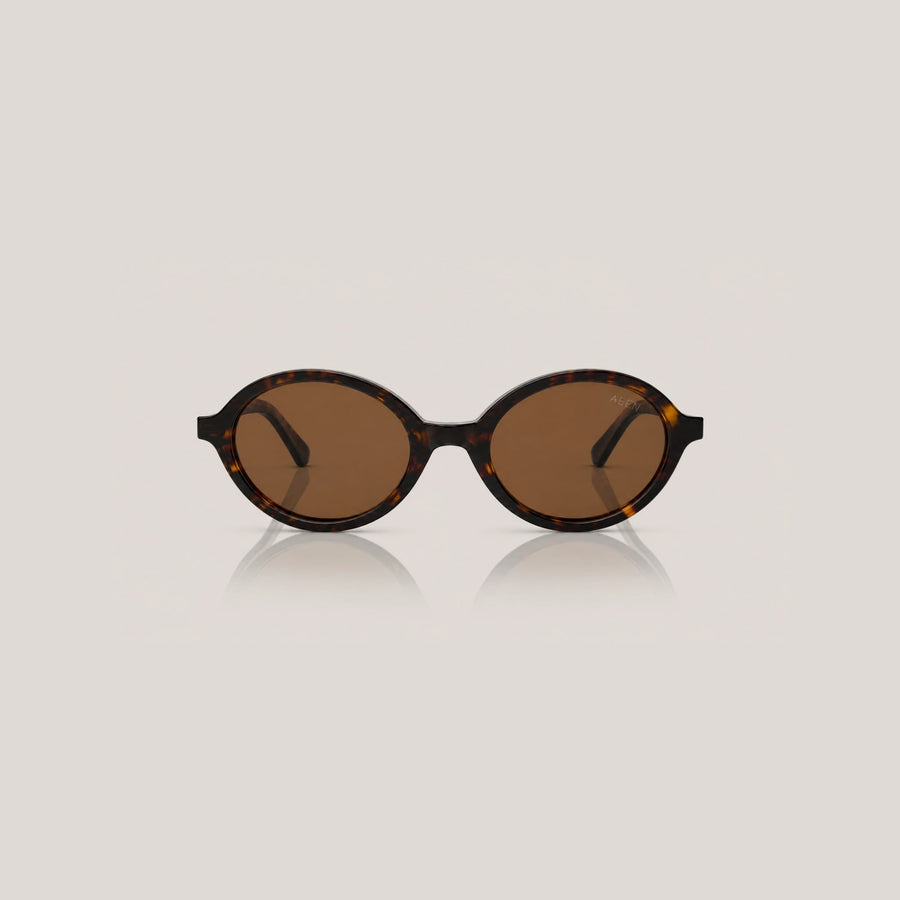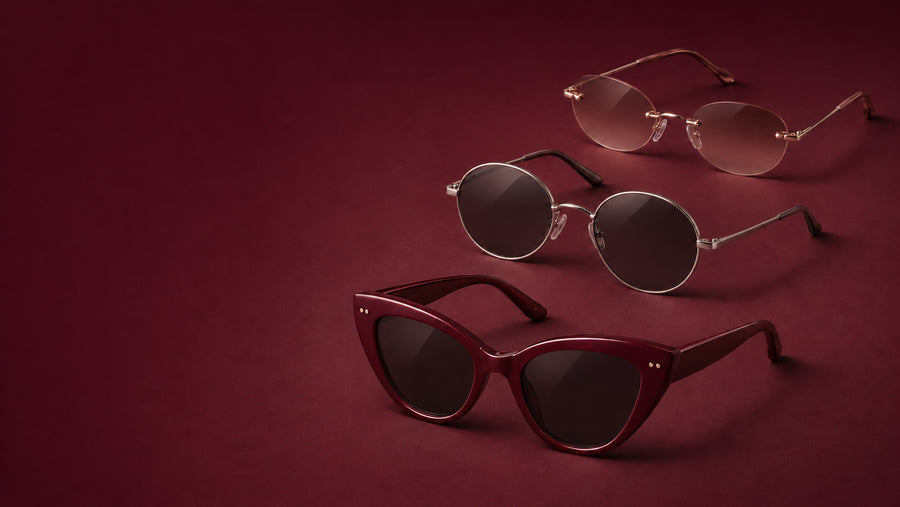



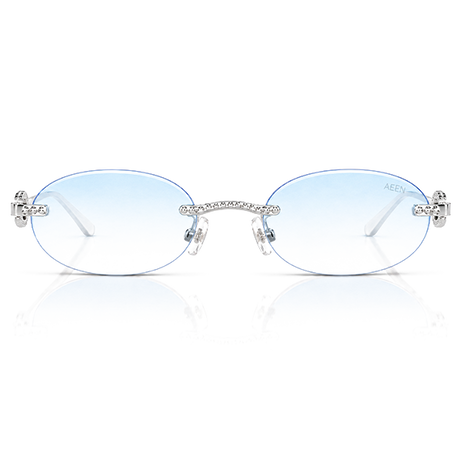


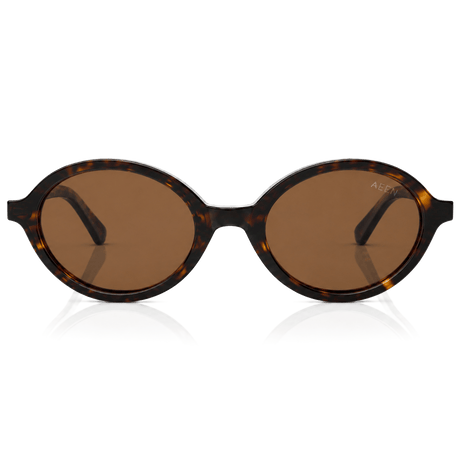

Polarized and UV400 are two different lens descriptions. When comparing sunglasses online, check each feature separately for the exact product and colour you plan to order.
What Does Polarized Mean?
Polarized lenses are designed to reduce certain reflected glare. The National Eye Institute describes them as useful for reducing glare from surfaces such as water or snow. That feature is different from a statement about how much ultraviolet radiation a lens blocks.
A dark tint, mirrored finish or frame shape does not by itself confirm polarization. Look for an explicit specification on the selected product or ask the seller to verify it.
What Does UV400 Mean?
UV400 is a lens-protection rating relating to ultraviolet light. The FDA recommends checking for UV400 or a complete UV-protection label when choosing sunglasses. Read the product's stated UVA and UVB protection details rather than relying on the colour of the lens.
Can Sunglasses Have Both Features?
A pair may be listed with both polarized lenses and UV protection. Treat those as two specifications to confirm, not interchangeable names for the same property. If a listing mentions only one, ask about the other before making assumptions.
Check the selected colour or variant as well as the product title. Similar-looking pairs can have different lens specifications, and a collection name should not replace reading the details for the pair you are buying.
Does a Darker Lens Mean More UV Protection?
Lens darkness describes its visible tint. FDA guidance explains that some lighter-tinted lenses can offer UV protection comparable to darker ones. Use the protection label and product specifications to assess that feature.
What About Photochromic Glasses?
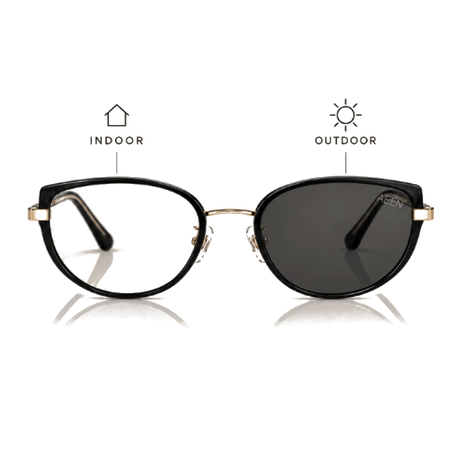
Photochromic describes light-responsive tint behaviour. If a product is described as photochromic, read its own instructions and specifications to understand how it is intended to work. Check polarization and UV-protection information independently rather than inferring them from the tint-changing feature.
Compare the Whole Pair
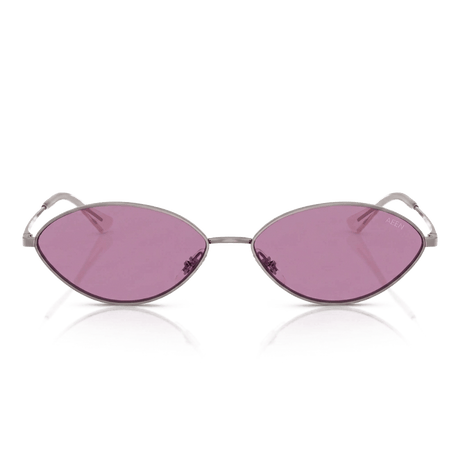
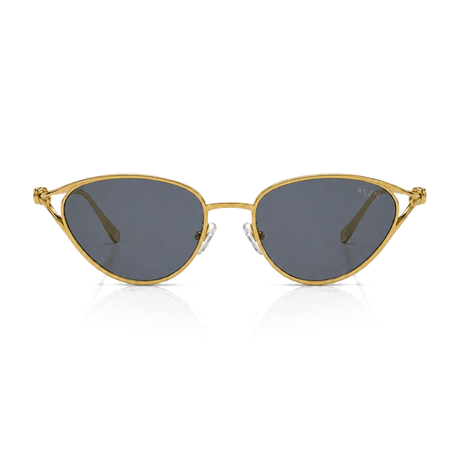
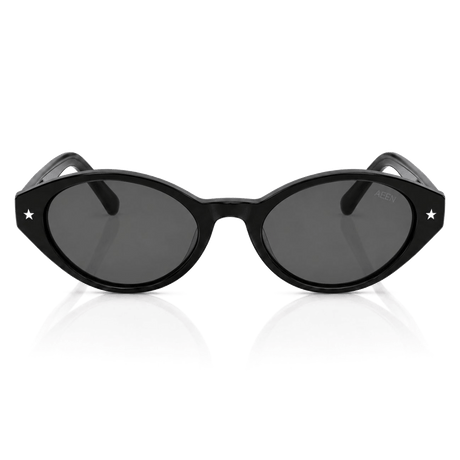
Once you have checked lens specifications, compare lens width, bridge width and temple length. Review the available colours, package contents and current price. Choose a frame outline you enjoy wearing and use product photographs to assess its proportions.
Explore cat eye, rounded and rimless sunglasses, or browse all AEEN styles. If a lens feature is unclear, contact AEEN with the product name and selected colour.
References: National Eye Institute guidance on sunlight and sunglasses; FDA guidance on sunglasses labels and tint.